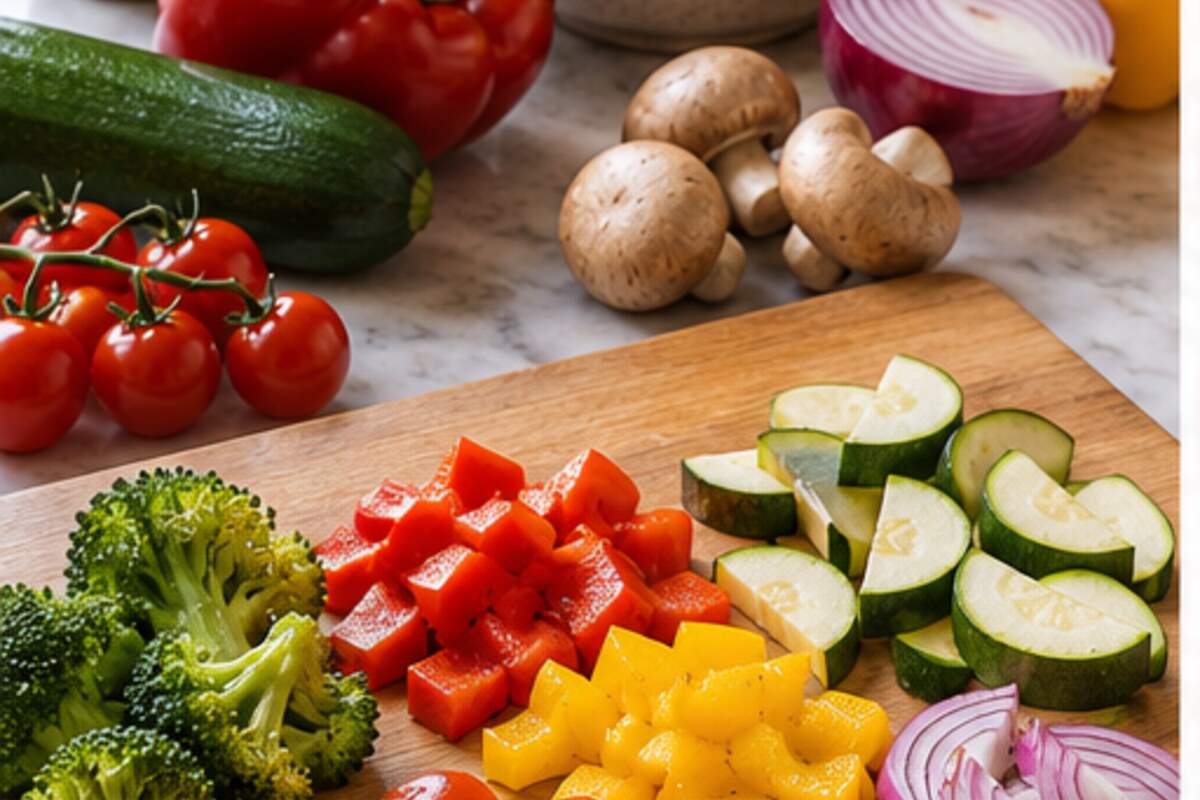
Roasting one pan of vegetables is useful; eating the exact same bowl three nights in a row is less exciting. The solution is to keep the roasted base neutral and change the final format. This plan turns peppers, broccoli, red onion, zucchini and mushrooms into three dinners: a grain bowl, a warm wrap and a quick tomato-based skillet. You will use one cutting board and one large pan, then divide the vegetables after cooking. Follow safe food handling and storage guidance for your ingredients and household.
Affiliate disclosure: As an Amazon Associate I earn from qualifying purchases.
Cut for the same finish time

Heat the oven according to the recipe or cookware guidance you are following. A broad pan such as the Nordic Ware extra-large baking sheet on Amazon.ca (paid link) gives vegetables room to roast rather than steam, but confirm that its dimensions fit your oven. Use a reliable knife such as the Victorinox Fibrox chef’s knife on Amazon.ca (paid link). Cut firm broccoli stems smaller than zucchini, slice onion into sturdy wedges and keep mushroom pieces relatively large. A salad spinner such as the salad spinner on Amazon.ca (paid link) can help dry washed vegetables; surface moisture slows browning.
Season a neutral base
Spread the vegetables in a single layer. Use a nesting set such as the KitchenArt measuring set on Amazon.ca (paid link) to portion oil and seasonings consistently, then toss with salt, pepper, garlic and a mild dried herb. Avoid a highly specific sauce at this stage because the same base must work in three directions. Turn the vegetables once with mini serving tongs on Amazon.ca (paid link) or a spatula, keeping your hands clear of the hot pan. Roast until the vegetables are tender and browned to your preference, checking earlier than a recipe suggests if the pieces are small.
- Keep the setup small enough to reset in one pass.
- Use the product directions rather than assuming every material works the same way.
- Change one variable at a time so you can tell what actually helped.
Dinner one and two: bowl, then wrap

For the first dinner, place one portion over quinoa, rice or another cooked grain and add beans, chicken, tofu or a preferred protein. Finish with lemon and a spoonful of dressing. For the second dinner, warm a wrap and add another portion with hummus or yogurt-style sauce, fresh greens and something crisp such as cucumber. The contrast makes the same roasted vegetables feel different. Keep wet sauce away from the wrap until serving if it will be packed for later.
Dinner three: a fast skillet finish
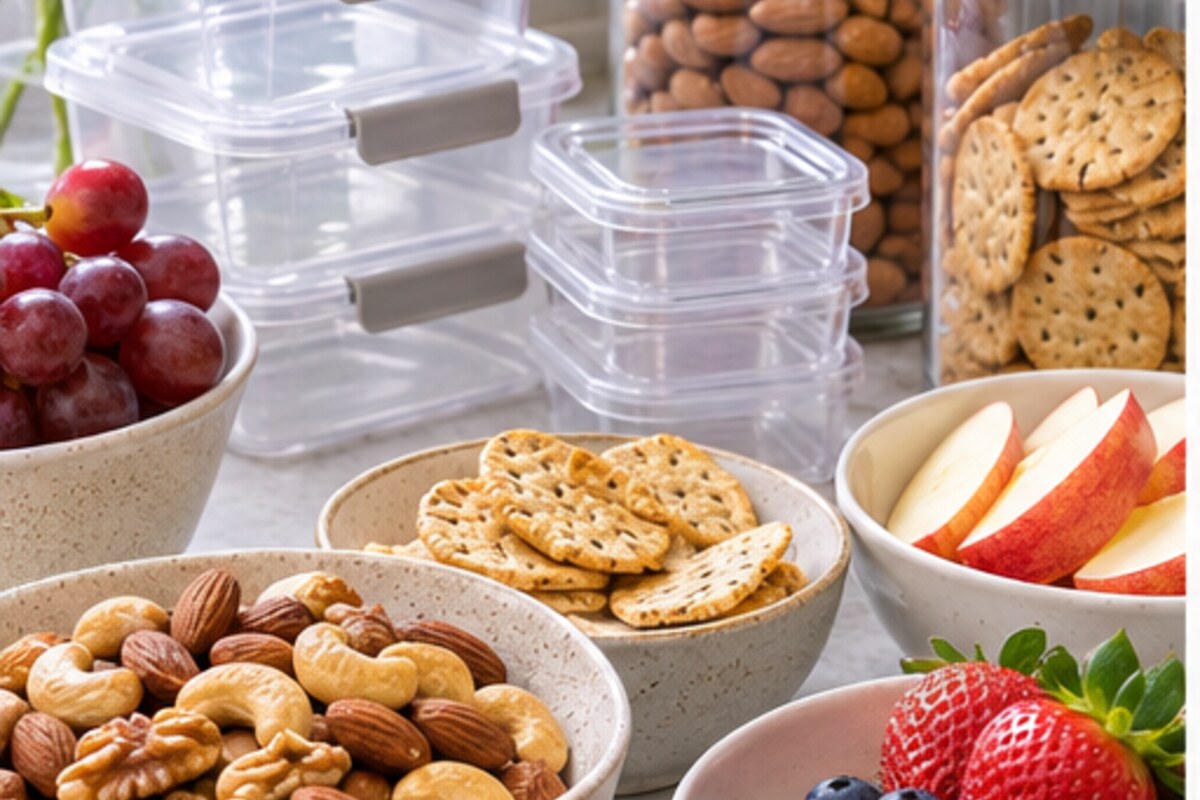
Warm the final portion in a skillet with canned tomatoes or a spoonful of tomato paste loosened with water. Add chickpeas, white beans or leftover cooked protein, then simmer only until everything is hot. Serve with toast, pasta or a baked potato. Cool unused roasted vegetables promptly and refrigerate in shallow containers according to food-safety guidance. If you know one dinner will happen later than the safe refrigerator window, freeze that portion once cooled rather than hoping you remember it at the back of the fridge.
The practical finish
The method stays flexible because the pan is not trying to become three complete meals at once. Roast a mildly seasoned base, then change the texture, sauce and serving format. Next time, repeat the method with cauliflower, carrots and Brussels sprouts, adjusting cut size and cooking time rather than replacing the entire routine.
What to do when the pan is crowded
If the vegetables overlap heavily, use two pans or roast in two rounds. Crowding traps steam and can leave firm vegetables watery on the outside. Keep vegetables with similar cooking times together, and add delicate items later if necessary. The oven, pan material and piece size all change timing, so visual cues matter more than a single minute count. Browning at the edges and tenderness when pierced are more useful than forcing every batch to match a photograph.
For households with different preferences, reserve one corner of the pan for a mild seasoning and use a folded strip of parchment only if the cookware and oven directions permit it. Add stronger sauces after roasting. This avoids making a separate dinner while still giving the final plates different flavours. Write the three planned dinner formats on the refrigerator so the last portion is used intentionally rather than forgotten.
Before you call it ready
- Confirm the pan fits the oven.
- Dry washed vegetables before seasoning.
- Cut firm vegetables smaller than quick-cooking ones.
- Leave space between pieces whenever possible.
- Season the base mildly for later flexibility.
- Cool leftovers promptly in shallow containers.
- Write the three dinner formats where you can see them.
- Freeze a portion if the refrigerator window will be missed.
Taste the roasted base before dividing it. If it is already strongly seasoned, choose sauces and sides that complement rather than compete. Label stored portions with the date and intended dinner so the flexible base does not become an anonymous container at the back of the refrigerator.



Leave a Reply