
Packing a walking bag works best when you begin with a familiar outing. A short neighbourhood loop needs fewer items than a long afternoon away from home. Keeping a small set of useful things together can make leaving the house easier, particularly when your time is limited. Choose the bag after deciding what belongs inside it, and use your usual route and conditions to guide the packing list.
Affiliate disclosure: As an Amazon Associate I earn from qualifying purchases. Links marked paid link may earn a commission.
List the needs of your usual route

Picture the last walk you enjoyed and write down the things you actually used. Keys, a phone and water may cover the basics for a short outing. Depending on the conditions, you might add a light layer, sun protection or a small snack. Think about where you could refill water and whether you are likely to stop somewhere. The list should reflect a real trip rather than every possible activity.
Lay the items on a table before putting them in a bag. Remove duplicate accessories and anything that has stayed unused through several similar walks. Keep items you may need quickly near the opening. Put keys in a consistent pocket so you can find them without emptying the bag at the door. A small pouch can group loose pieces, but avoid adding so many pouches that reaching one item becomes a search through several layers.
Check the fit while the bag is packed

A bag feels different when it contains your normal water bottle and a jacket. Try it with those items inside before deciding whether the size works. Adjust the straps according to the maker’s instructions and walk around your home. Notice whether you can reach the pockets, whether the bottle sits securely and whether the bag moves in a distracting way. Comfort depends on your body, your clothing and the load you carry.
Think about the closures too. A zipper may help keep small items contained, while an outside pocket can make water easy to reach. Neither feature guarantees a good fit. Check the actual pocket dimensions and the bottle you intend to use. If your walk includes public transport or shopping, leave a little room for the items that will be added along the way. A bag filled to its limit at the start offers little flexibility.
Create a simple leave-the-house routine

Give the bag a home close to where you keep your walking shoes. Before leaving, check the weather, water, keys and phone. Add the items that suit that day’s route, then remove them afterward if they need cleaning or charging. A short repeatable check can be easier to maintain than an elaborate permanent packing list. It also helps prevent yesterday’s snack wrapper from becoming part of tomorrow’s equipment.
When you return, empty any food containers, refill supplies that were used and let damp items dry. Keep the bag open while it dries if the care guidance allows. Put the everyday pieces back in their usual pockets. This small reset makes the next outing easier. If you consistently forget one item, place a reminder where you pick up the bag instead of expanding the list with things you rarely need.
Choose accessories that solve a clear problem

If water is awkward to carry, compare bottles that fit your existing bag. If the keys scratch your phone, try a separate pocket or a small pouch before replacing the bag. Check care instructions for fabric, straps and bottle parts. A washable item is only convenient if the washing process fits your routine. Consider how long it takes to dry and whether components need to be removed.
Before ordering, compare the outside size of the bag with your packed items. Look for useful product photographs that show pocket openings and closures. Read dimensions rather than judging capacity from a photograph on a model. Keep the first outing familiar so you can notice whether the arrangement works. After a few walks, make one adjustment at a time. The goal is a comfortable, easy-to-pack bag that supports outings you already want to take.
Pack the bag for one familiar walk and check it again when you return. Separate the items you used from those you carried without reaching for them. Keep in mind that some necessary items depend on weather and route, so one outing does not settle every packing decision. Look for ordinary friction instead. Perhaps the keys were hard to find or the water bottle took up all the available space. Rearrange the pockets before replacing the bag. After several similar outings, you will have a clearer idea of the capacity and features that actually support your routine.
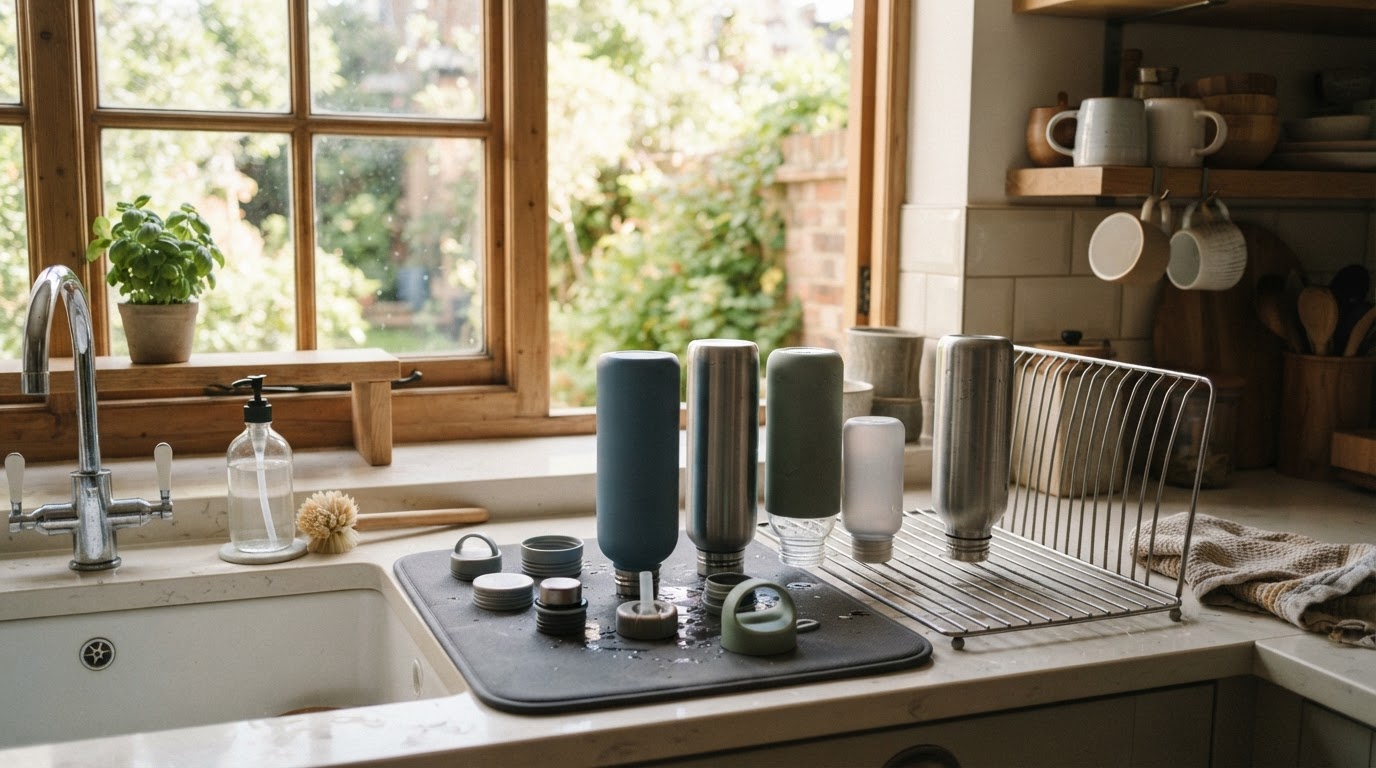
If you need an item for this setup, browse the relevant options below and compare the exact listing with your measurements and care requirements. These links open Amazon.ca search results, where the available products and sellers can change. Check the selected product’s dimensions, included parts, current price, delivery options and return conditions before ordering. The pictured scenes are AI-generated illustrations of the routine. They do not show or test a particular branded product.
Browse walking bag water bottle on Amazon.ca (paid link).




Leave a Reply