
Small kitchens work best when the next task is easy to start. A useful prep station gives you one clear place to wash, chop, measure and gather ingredients. You can build one on a short stretch of counter, at the end of an island or on a table that you clear before cooking. Begin with the meals you actually make. Someone who chops vegetables every evening needs a different arrangement from someone who mostly assembles breakfast and packs lunches.
Affiliate disclosure: As an Amazon Associate I earn from qualifying purchases. Links marked paid link may earn a commission.
Choose one reliable work surface

Find the spot where you can set down a board and a bowl without moving three appliances. Notice the route from the refrigerator to the sink and then to that surface. Ideally, ingredients arrive at the counter with only one or two turns. Move the things that interrupt that route, such as mail, a charging cable or a decorative tray. A clear working area is more useful than a large counter divided into awkward patches.
Test the location with a normal meal before buying organizers. Set out the board, knife, ingredients and a bowl for scraps. If you keep reaching across a hot cooking area or twisting to find utensils, change the arrangement. Put frequently used tools within an easy reach while keeping sharp utensils safely stored when you finish. An attractive station still needs to work when the kitchen is busy and another person is using the sink.
Group tools by the step they support

Keep chopping tools together, measuring tools together and mixing tools together. These groups might share one drawer, but give each a defined place. A small bowl can corral measuring spoons without needing a drawer insert. A shallow container can hold bag clips, kitchen twine and other small items that otherwise disappear underneath larger tools. Choose a location for the cutting board that lets you take it out without unloading a cupboard.
Set up the counter in the order you cook. A bowl for washed vegetables can sit beside the board, with another bowl on the other side for chopped pieces. Keep the mixing bowl nearby when assembling a salad or batter. This arrangement helps you avoid carrying loose ingredients across the kitchen. When the meal is finished, return each group to its home so the next cooking session begins with a clear surface.
Keep the station flexible

A prep station does not need to stay on display all day. If your counter also serves as a coffee area or a place to make school lunches, keep the cooking tools in a portable bin. Bring the bin out, prepare the meal and put it away again. Leave room for the largest bowl you regularly use instead of filling every inch with jars. Empty space is part of the setup.
For a very small kitchen, use a tray to gather ingredients before beginning. Put shelf-stable ingredients on the tray and take out chilled items when needed. You can then move the tray as one unit if another person needs the counter. Avoid stacking equipment so high that it becomes hard to take out. Organizers should reduce the number of movements required to cook. If a basket adds another lid or another layer to move, try a simpler arrangement.
Buy only for a problem you can name

After a week of cooking, list the actual interruptions. Perhaps the board slides, the measuring spoons are difficult to find or the scraps bowl is too small. Solve the most frequent interruption first. Measure the inside of drawers and cupboards before ordering storage pieces. Compare the dimensions of an organizer with the tools it must hold, allowing enough room to pick them up comfortably.
If you are comparing a new cutting board, look at the usable surface, storage space and cleaning directions. For a mixing bowl, check whether it fits your cupboard and whether the rim is comfortable to hold. You may discover that rearranging existing pieces solves the problem. Start with one change, cook several meals and decide whether it helped. A station that stays useful through ordinary weekday cooking is a better result than a complete set of matching accessories.
Before-and-after test: make a familiar pasta salad using your current layout, then repeat the preparation with the board, bowls and tools grouped at the new station. Notice which objects you reach for more than once and where you have to stop to make room. Move only those objects before the next meal. If your household shares cooking duties, ask the next cook to use the station without an explanation. Their questions will reveal whether the layout is clear. Keep a clean towel and the scraps bowl available at the start, then clear both away when the task is finished.
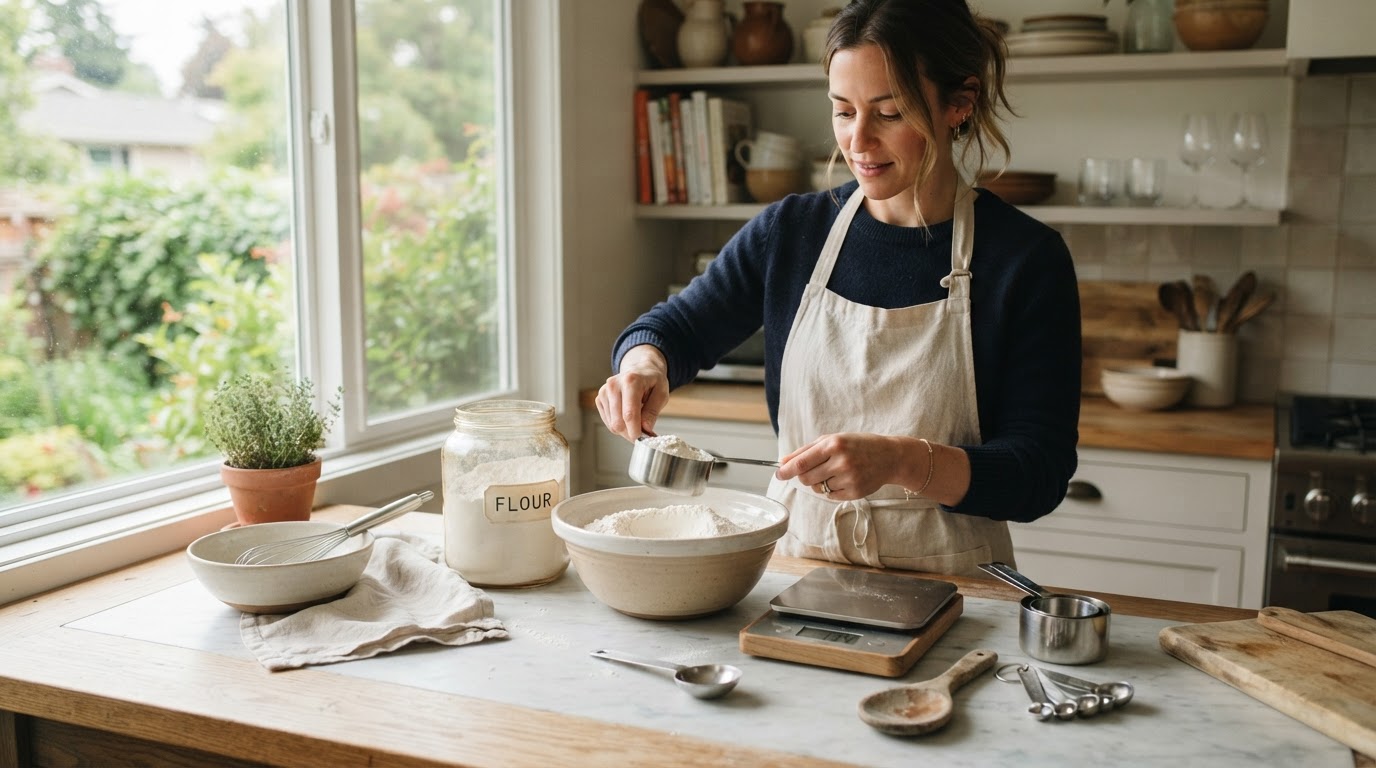
If you need an item for this setup, browse the relevant options below and compare the exact listing with your measurements and care requirements. These links open Amazon.ca search results, where the available products and sellers can change. Check the selected product’s dimensions, included parts, current price, delivery options and return conditions before ordering. The pictured scenes are AI-generated illustrations of the routine. They do not show or test a particular branded product.
Browse cutting board mixing bowl on Amazon.ca (paid link).





Leave a Reply