
A hot lunch can be comforting and convenient, but an insulated jar only helps if it is filled safely, closed correctly and kept upright. The routine begins with the jar’s own care instructions. Check whether it should be preheated, which foods are suitable, how long the maker says it maintains temperature and whether any model-specific safety notice applies. This article avoids time or temperature promises because containers and conditions differ; follow current food-safety guidance and the manufacturer’s directions.
Affiliate disclosure: As an Amazon Associate I earn from qualifying purchases.
Choose a jar with parts you can inspect

A wide-mouth food jar such as the Zojirushi stainless steel food jar on Amazon.ca (paid link) is easier to fill with chunky soup than a narrow drink bottle. Read the listing and manufacturer instructions, confirm the size suits your meal and inspect the gasket, threads and lid before each use. A bottle brush such as the Scotch-Brite bottle brush on Amazon.ca (paid link) helps reach the interior during washing. Replace damaged seals only with parts approved for that model. Do not use a jar that is dented near the rim, cannot close evenly or has an unexplained pressure problem.
Prepare the jar and the food separately
If the manufacturer directs preheating, follow its method carefully and empty the water before adding food. Heat the meal using a food-safe method and current guidance; do not rely on the jar to bring lukewarm food to a safe temperature. A glass measuring cup such as the glass measuring cup on Amazon.ca (paid link) can make pouring easier, and a small reusable sauce container on Amazon.ca (paid link) keeps cool toppings separate. Leave the headspace specified by the jar maker, wipe the rim clean and close the lid exactly as directed.
- Keep the setup small enough to reset in one pass.
- Use the product directions rather than assuming every material works the same way.
- Change one variable at a time so you can tell what actually helped.
Pack the jar in a true upright pocket

Place the closed jar vertically in an insulated tote such as the reusable insulated lunch bag on Amazon.ca (paid link). Use a folded cloth or a snug compartment to prevent tipping, but do not pack the jar so tightly that the lid is stressed. Keep utensils in a separate sleeve and carry the bag by its handle rather than turning it sideways under an arm. If the jar leaks during a home test, do not trust it inside a work bag; inspect the seal and use another container until the cause is fixed.
Open carefully and reset after lunch
Keep the jar upright on a stable surface and open it away from your face. If the lid behaves unusually, stop and consult the manufacturer rather than forcing it. After eating, rinse when practical, then wash all removable parts according to the directions. Let the jar and gasket dry completely before reassembly. Store the jar with the lid loose if the maker recommends it, which helps prevent trapped odour. Before the next use, run a quick leak test with water at home.
The practical finish
The reliable sequence is simple: inspect, heat, fill, wipe, close, carry upright and clean. A food jar is not a substitute for food-safety judgment, and no insulated container should be assumed to hold a safe temperature indefinitely. When in doubt, follow the product documentation and current public-health advice rather than guessing.
Run a leak test before the busy morning
Fill the clean jar with plain water, close it exactly as directed and stand it on a towel for several minutes. Gently tip the packed lunch bag through the angles it might experience during travel, then inspect the towel and lid. This test does not prove long-term temperature performance, but it can reveal an obvious sealing or packing problem without sacrificing lunch. Repeat after replacing a gasket or if the lid begins to feel different.
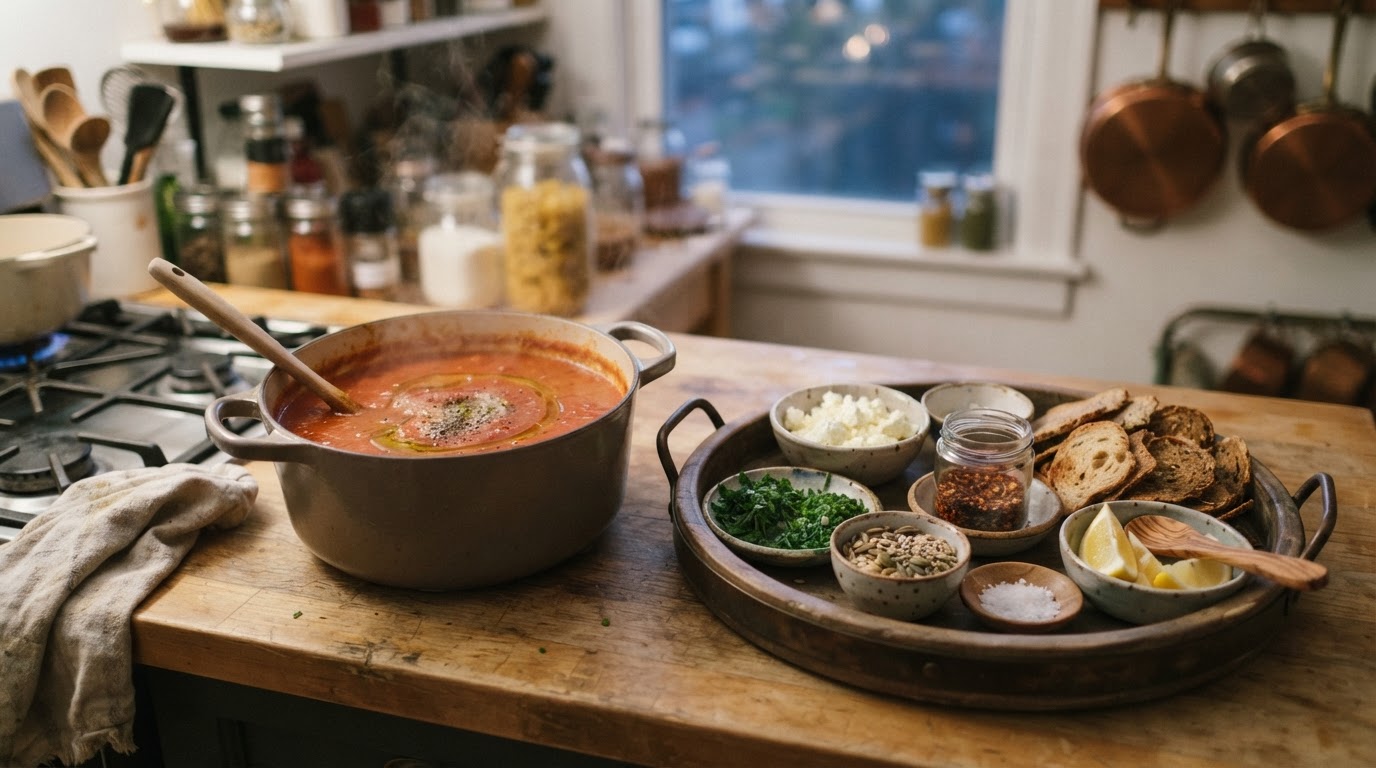
Choose foods that can be spooned easily and that the jar manufacturer considers suitable. Very thick foods may be awkward to fill; very thin liquids expose any seal problem quickly. Keep cool sides in their own appropriate containers and follow safe transport guidance for them. When the workday changes, do not leave the packed jar in a hot vehicle or for longer than current food-safety recommendations allow. Convenience should never depend on guessing.
Before you call it ready
- Check the manufacturer’s instructions and safety notices.
- Inspect the rim, gasket, threads and lid.
- Heat food safely before it enters the jar.
- Wipe the rim before closing.
- Keep cool toppings in a separate container.
- Pack the jar vertically in a snug compartment.
- Open on a stable surface and away from the face.
- Wash and dry all parts before storage.
Practice the entire packing sequence once when you are not rushed. Confirm that the jar fits upright, the utensil has a separate place and the lid can be opened comfortably. A calm rehearsal is the best way to find a weak step before a workday morning.


Leave a Reply